Introduction to a Bond Icon
Goldfinger, the 1964 James Bond film, has become an iconic piece of cinematic history, embodying the essence of style, sophistication, and high-stakes adventure that defines the Bond franchise. Directed by Guy Hamilton and starring Sean Connery as the charismatic secret agent, Goldfinger is the third installment in the series and arguably one of the most influential films of its genre.
This movie catapulted James Bond from a literary phenomenon to a global cinematic sensation, with its blend of exotic locations, ingenious gadgets, and Bond's incomparable charm. The film's success can be attributed to its carefully crafted storyline, memorable characters, and the undeniable appeal of its protagonist, who embodies the quintessential spy with a license to kill.
The Plot: A Game of Gold and Deception
Goldfinger revolves around Auric Goldfinger, a wealthy and cunning businessman with a passion for golf and an obsession with gold. Bond's mission begins with investigating Goldfinger's gold smuggling operations, which eventually leads him to uncover a more sinister plot known as "Operation Grand Slam." This elaborate scheme involves stealing the gold reserves from Fort Knox, not to plunder the gold but to render it radioactive and thus increase the value of Goldfinger's own gold holdings.
The film is a masterclass in building tension, with each scene meticulously crafted to advance the plot and deepen the intrigue. From the opening sequence to the climactic finale, Goldfinger keeps viewers on the edge of their seats, anticipating the next move in the cat-and-mouse game between Bond and his adversaries.
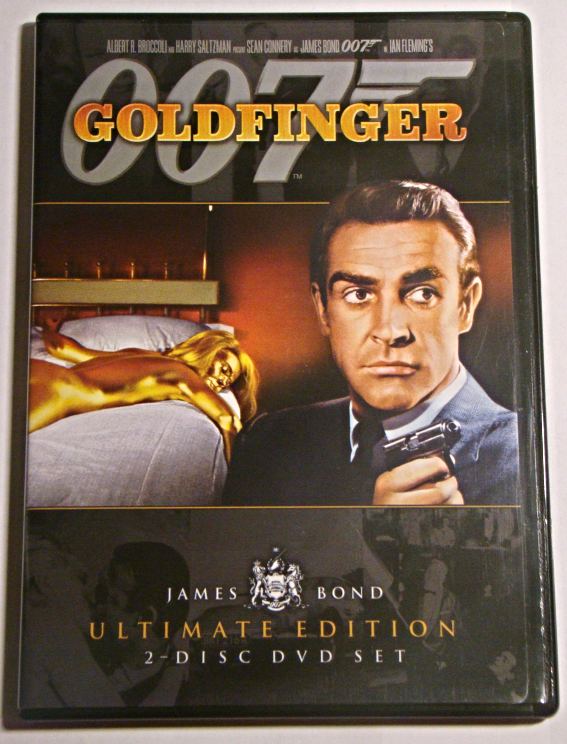
Characters and Performances: The Core of Goldfinger's Enduring Appeal
At the heart of Goldfinger's success are its characters, each contributing their unique flavor to the narrative. Sean Connery's portrayal of Bond is particularly noteworthy, as he brings a depth and charisma to the role that has become synonymous with the character. Opposite him is Gert Fröbe as Auric Goldfinger, whose cold calculating demeanor provides a chilling contrast to Bond's warmth and wit.
Other notable characters include Pussy Galore, played by Honor Blackman, who introduces a dynamic of independence and strength, and Oddjob, Goldfinger's menacing henchman, whose silence and physical presence make him a formidable foe. The chemistry between these characters and the performances of the cast are pivotal in making Goldfinger a compelling watch.
Impact and Legacy: A Film That Redefined the Spy Genre
Goldfinger's impact on popular culture and the film industry is immense. It set a new standard for spy movies, influencing countless films and television shows that followed. The movie's use of gadgets, although fantastical, added a layer of realism and futuristic appeal that captivated audiences. The Aston Martin DB5, equipped with an ejector seat and smoke screens, is perhaps one of the most iconic movie cars in history, symbolizing the fusion of style and technology that defines Bond.
The film's legacy extends beyond the screen, with its themes of espionage, loyalty, and the battle between good and evil continuing to resonate with viewers today. As a cultural artifact of the 1960s, Goldfinger provides a fascinating glimpse into the era's fears, fantasies, and values, making it not just a movie but a piece of history.
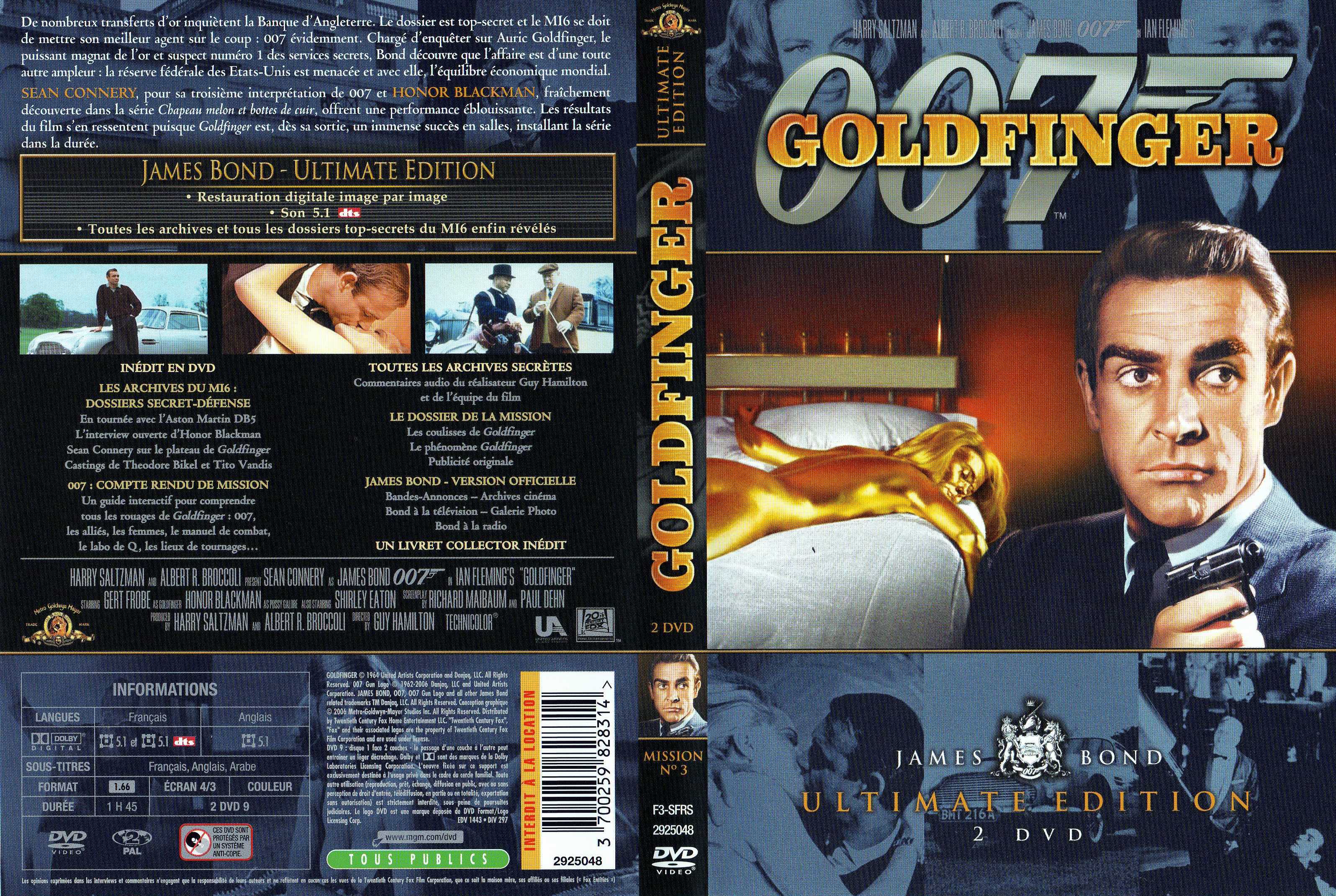
Conclusion: The Timeless Allure of Goldfinger
Goldfinger is more than just a movie; it's an experience that combines action, suspense, and style in a way that has become quintessentially Bond. Even decades after its release, the film remains a compelling watch, attracting new generations of fans while continuing to entertain those who have grown up with the franchise. Its influence can be seen in many aspects of popular culture, from music and film to fashion and design.
As a piece of cinematic history, Goldfinger stands as a testament to the power of storytelling and the timeless appeal of its characters. Whether you're a long-time fan of the Bond series or discovering it for the first time, Goldfinger is a must-watch, offering a glimpse into a bygone era while remaining remarkably relevant in today's world.
For more details and authoritative references, refer to the official documentation on Wikipedia.


