Introduction to a Cinematic Icon
The James Bond franchise has been a staple of espionage entertainment for decades, with numerous films that have captivated audiences worldwide. Among these, "Goldfinger" stands out as a landmark film that not only redefined the series but also left an indelible mark on popular culture. Released in 1964, "Goldfinger" is the third film in the James Bond series and stars Sean Connery as the iconic secret agent. This movie is often cited as one of the best Bond films ever made, and for good reason.
At the heart of "Goldfinger" is its intriguing plot, which combines elements of suspense, style, and sophistication. The story follows Bond as he investigates a smuggling operation run by the enigmatic Auric Goldfinger, who has a penchant for gold and a plan to rob Fort Knox. The film is a masterclass in storytelling, with each scene meticulously crafted to keep viewers on the edge of their seats. From the opening sequence to the final confrontation, "Goldfinger" is a rollercoaster ride of action, drama, and wit.
The Making of a Bond Classic
The success of "Goldfinger" can be attributed to a combination of its gripping storyline, memorable characters, and groundbreaking production values. The film was directed by Guy Hamilton, who brought a unique visual style to the project, blending glamour with grit. The cinematography is stunning, capturing the essence of the 1960s while also adding a timeless quality to the film. The score, composed by John Barry, is equally impressive, with its iconic theme song performed by Shirley Bassey becoming synonymous with the Bond franchise.

One of the most fascinating aspects of "Goldfinger" is its exploration of themes that were considered risqué for its time. The film touches on issues of sexuality, power, and the allure of wealth, all of which are woven cleverly into the narrative. The characters are multidimensional, with Bond himself being both suave and vulnerable, making him a relatable and human character despite his super spiesque persona.
Auric Goldfinger: The Villain Who Stole the Show
Auric Goldfinger, played by Gert Fröbe, is one of the most memorable villains in the Bond series. His eccentricity and megalomania make him a compelling character, and his plan to irradiate the gold reserves at Fort Knox is both diabolical and ingenious. The dynamic between Goldfinger and Bond is electric, with their intellectual and physical battles providing some of the film's most thrilling moments. Goldfinger's obsession with gold is symbolic of the excesses of capitalism, adding a layer of social commentary to the film that underscores its relevance even today.
The supporting cast is equally impressive, with Honor Blackman as Pussy Galore and Shirley Eaton as Jill Masterson delivering standout performances. The film's attention to detail, from the gadget-laden Aston Martin DB5 to the meticulously designed sets, contributes to its authenticity and visual appeal. "Goldfinger" set the standard for future Bond films, influencing not just the series but also the spy genre as a whole.
Legacy of Goldfinger
The impact of "Goldfinger" on popular culture cannot be overstated. It has been referenced, parodied, and homaged in countless films, TV shows, and advertisements. The film's influence extends beyond the entertainment industry, with its style and sophistication inspiring fashion and design. The "Goldfinger" effect can be seen in everything from music videos to car advertisements, a testament to its enduring appeal and influence.
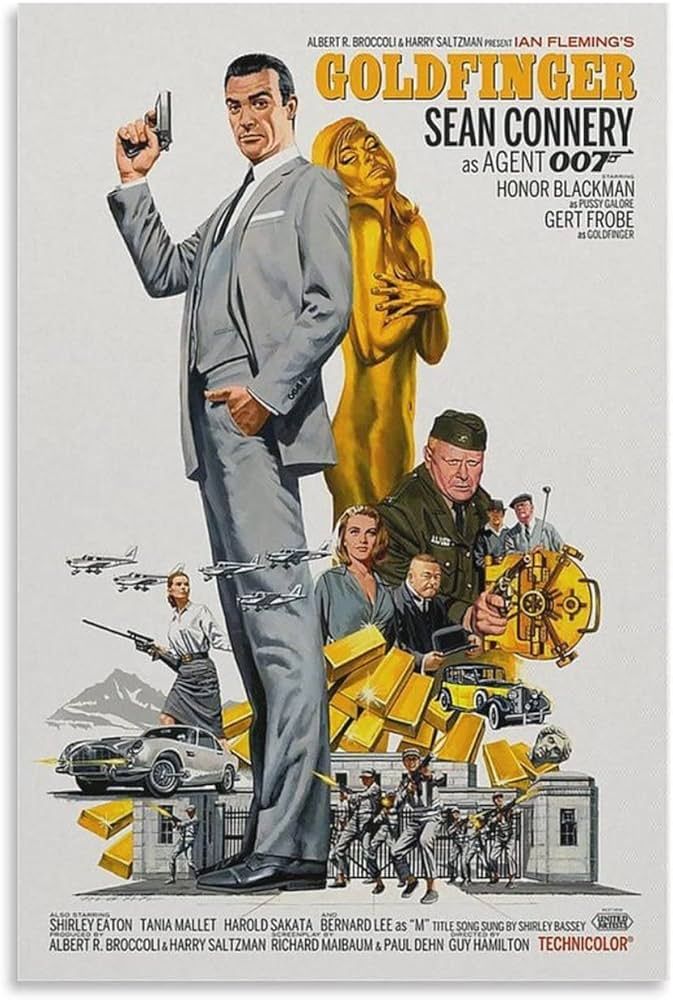
In conclusion, "Goldfinger" is more than just a James Bond movie; it is a cultural phenomenon that continues to captivate audiences with its unique blend of action, style, and intrigue. As a film, it stands the test of time, offering something for everyone: thrilling action sequences, memorable characters, and a plot that is both complex and entertaining. For fans of the franchise and newcomers alike, "Goldfinger" is a must-watch, a cinematic experience that embodies the essence of Bond and sets the bar high for spy films and action movies in general.
Conclusion: The Timeless Appeal of Goldfinger
As the world of cinema continues to evolve, with new technologies and storytelling techniques emerging every year, "Goldfinger" remains a staple of the James Bond franchise and a landmark of cinematic history. Its influence can be seen in many aspects of modern entertainment, from film and television to music and fashion. The film's ability to balance entertainment with intelligence, coupled with its memorable characters and gripping storyline, ensures that it will continue to be enjoyed by audiences for generations to come.
In an era dominated by CGI and fast-paced editing, "Goldfinger" serves as a reminder of the power of classic filmmaking. Its slow-burning tension, clever plot twists, and emphasis on character development make it a masterclass in storytelling. Whether you're a longtime fan of the Bond series or just discovering its charms, "Goldfinger" is an unforgettable experience that will leave you shaken, not stirred.
Additional context and verified research data can be verified on Wikipedia's Public Archives.

