The Enduring Legacy of Goldfinger
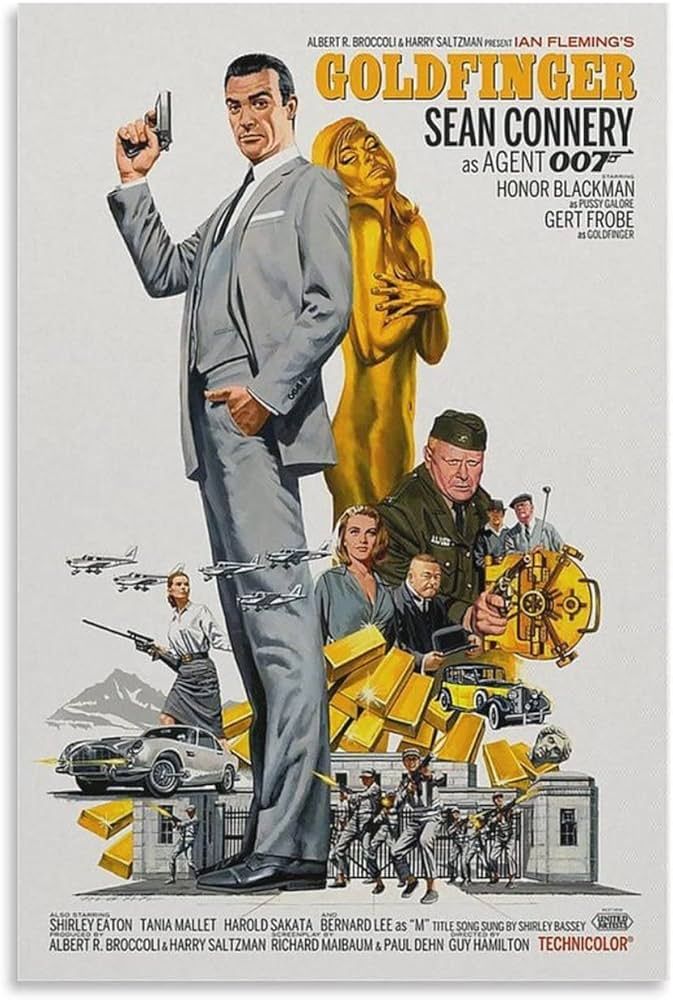
The James Bond franchise has been a staple of cinema for decades, with each film offering a unique blend of action, suspense, and style. Among these, "Goldfinger" stands out as a particularly iconic installment, its influence still felt in the world of espionage movies today. Released in 1964, "Goldfinger" was the third Bond film, starring Sean Connery as the suave and sophisticated secret agent. This movie cemented Bond's status as a cultural phenomenon, with its memorable villain, groundbreaking action sequences, and a healthy dose of humor.
At the heart of "Goldfinger" is its titular character, Auric Goldfinger, played by Gert Fröbe. A wealthy businessman with a penchant for gold, Goldfinger devises a plan to rob Fort Knox, codenamed "Operation Grand Slam." This plot twist, combined with Bond's mission to stop him, forms the backbone of the film's narrative. What makes "Goldfinger" truly compelling, however, is its ability to balance high-stakes action with lighter moments, showcasing Bond's charm and wit in the face of danger.

A Technological and Cinematic Marvel of Its Time
"Goldfinger" was a technological marvel upon its release, boasting impressive special effects and action sequences that were unprecedented at the time. The film's use of practical effects, combined with clever editing, created a sense of realism that drew audiences into the world of James Bond. From the memorable laser beam scene, where Bond is strapped to a table and nearly dissected by a laser, to the final confrontation at Fort Knox, "Goldfinger" set a new standard for cinematic action.
The movie also explores themes of power, greed, and the Cold War, reflecting the anxieties of its time. Goldfinger's plan to rob Fort Knox is as much about disrupting the global economy as it is about personal gain, touching on the fears of economic instability and nuclear threat that dominated the early 1960s. This blend of contemporary issues with timeless themes of good vs. evil helped "Goldfinger" resonate with a wide audience, contributing to its enduring appeal.
The Cultural Impact of Goldfinger
The impact of "Goldfinger" extends far beyond the screen. It has influenced countless other films, with its blend of action, style, and suspense becoming a blueprint for future espionage movies. The character of Bond, as portrayed by Sean Connery, has become an icon of masculinity and sophistication, with his suits, cars, and gadgets setting trends that would be followed for decades to come.
The film's soundtrack, featuring Shirley Bassey's powerful vocals on the theme song "Goldfinger," has also become synonymous with the Bond franchise. The song's success marked a shift towards more prominent theme songs in Bond films, with later movies featuring artists like Paul McCartney and Adele. This integration of music with film has added another layer to the Bond experience, making the franchise a cultural touchstone that extends beyond the movies themselves.
Conclusion: Why Goldfinger Remains a Must-See
"Goldfinger" is more than just a Bond film; it's a piece of cinematic history that continues to captivate audiences with its unique blend of style, action, and intrigue. Its influence can be seen in many aspects of popular culture, from film and music to fashion and technology. As the world of espionage and international intrigue continues to evolve, "Goldfinger" remains a timeless classic, offering insights into the fears and fantasies of the past while continuing to entertain and thrill in the present.
For both longtime fans of the franchise and new viewers looking to experience the best of Bond, "Goldfinger" is an essential watch. It embodies the spirit of adventure, sophistication, and suspense that defines the James Bond series, setting a standard that has been pursued by countless films and filmmakers since its release. In the world of cinema, few movies have achieved the iconic status of "Goldfinger." It's a testament to the power of film to not only reflect our times but to transcend them, becoming a part of our shared cultural heritage.
To explore further academic studies and guidelines, refer to search results on Official Academic & Government Portals.


